
Did you know that 72% of entrepreneurs are currently battling burnout? It is a bit of a shocker. This usually happens because you have accidentally become the biggest handbrake in your own company. You might be wondering what happens when a business outgrows its owner, and the reality is that everything just starts to feel heavy. You are flat out working 70-hour weeks, but your staff are still standing around waiting for instructions before they can move.
It is a frustrating spot to be in. You have put in the hard yards to grow, yet the "fires" only seem to get bigger and the profit margins thinner. We promise to help you identify the red flags of owner dependency so you can finally step back. It is about moving from the person who does the work to the person who builds the engine.
We will show you how to transition from the "doer" to the "architect" of your business. You will discover how to organise systems your staff will actually follow. It is time to reclaim your weekends and get back to the work you actually enjoy.
Key Takeaways
- Spot the red flags that show you have become the bottleneck, like being the only one who can solve every tiny problem.
- Learn exactly what happens when a business outgrows its owner and why your "doer" mindset is holding things back.
- Discover how to move from being the person who does the work to the architect who builds the systems.
- Audit your time to ditch the low-value tasks and focus on the few things only you can do.
- Reclaim your weekends by creating clear systems that your staff can actually follow without you.
Signs your business has outgrown your current role
You are the primary salesperson. You are the chief problem solver. You are even the person who knows where the spare keys are kept. It is a lot to carry. Usually, when a team grows, the owner's workload should drop. Instead, your "to-do" list is getting longer. This is a classic sign of what happens when a business outgrows its owner.
Clients might only want to talk to you, even for the small stuff. It feels like a compliment, but it is actually a trap. If your staff can't make a move without your nod, you aren't leading; you're babysitting. Decisions stall the moment you leave the office or the job site. The momentum of the business is tied directly to your presence.
The "Founder Bottleneck" explained
A bottleneck occurs when the capacity of the business is capped by your personal hours. You only have so much energy. If every process requires your input, the business cannot expand beyond your own limits. The hustle and grit that helped you launch are now the things holding you back. This shift is a known hurdle in the five stages of the corporate life cycle. You have reached the point where organic growth needs to become systematic growth.
The impact on your margins and mental health
Being "too busy" leads to missed opportunities. When you are constantly putting out fires, you lose sight of the hidden profits in your margins. It is hard to spot a leak when you are drowning. In fast-moving hubs like Liverpool or Parramatta, the pace is relentless. Burnout is a genuine risk for owners who refuse to let go. What happens when a business outgrows its owner is that the stress levels skyrocket while productivity plateaus.
You end up working 70-hour weeks while your staff wait for instructions. It is an exhausting way to run a company. Eventually, this pressure breaks either the business or the owner. Reclaiming your time isn't just about lifestyle; it is about survival.
Why scaling requires a shift from "Doer" to "Architect"
Many owners fall into the "Founder's Trap." You think you are the only one who can maintain quality. You have done it all yourself since day one. But that mindset is exactly what happens when a business outgrows its owner. You have moved past organic growth. You are now in a place where you need structure to survive. Scaling isn't about working harder. It is about organising your business so it survives your success.
"Working on the business" isn't just a management cliché. It is a survival tactic. If you don't step back, the business will eventually stall. You need to stop being the "doer" and start being the "architect." An architect designs the house; they don't lay every single brick themselves. This shift is the only way to move from a job you own to a business that works for you.
Building systems that actually get used
Forget the 500-page manuals. Nobody reads them. They just gather dust on a shelf. Instead, focus on usable checklists and clear accountability. Each staff member needs to know exactly what they own. When people are accountable, systems actually stick. If you feel stuck in the "doer" phase, a business diagnostic can help pinpoint where the gears are grinding. It is the first step in moving from chaos to a clear plan.
Finding hidden profits in the chaos
When you outgrow your role, you usually stop looking at the numbers. You are too busy on the tools or the phone. Improving margins is much easier once you aren't doing the manual labour. You finally have the headspace to see where money is leaking. What happens when a business outgrows its owner is that the big picture gets blurry. Systematic growth allows you to find those hidden profits that were buried under the daily grind. It is about making sure the extra revenue actually stays in your pocket.

Practical steps to reclaim your time and lead again
Start with an audit of your week. Be honest about where your hours go. Are you spending time on tasks that a $30 per hour employee could handle? If you are still chasing invoices or ordering supplies, you are overpaying yourself for basic admin. This is a primary example of what happens when a business outgrows its owner.
You need to identify your "Critical Few." These are the high-value tasks that only you should touch. Everything else is a distraction. By letting go of the small stuff, you create space to lead. It is about building a foundation that doesn't crumble the moment you look away.
The 13-week transformation logic
Open-ended coaching often leads to nowhere. A fixed-term program is different. It provides a clear finish line and keeps everyone accountable. Over 13 weeks, you can reset your sales, margins, and systems all at once. It is a sprint to fix the fundamentals so you can finally breathe again.
Why on-site support makes the difference
Zoom calls can only tell you so much. Having an advisor walk through your Minto or Wetherill Park site is a game changer. We see how the work actually flows and where the real bottlenecks are hiding. It removes that feeling of isolation that often comes with being at the top.
Getting an outside perspective helps you see the gaps you are simply too close to notice. Check out our blog for more tips on how to organise your operations for growth. It is the fastest way to understand what happens when a business outgrows its owner and how to fix it for good.
Build a business that breathes
You have put in the hard yards to build something great. Now it is time to make sure it can stand on its own two feet. We have explored the signs of the bottleneck and how to shift from being the doer to the architect. By auditing your time and building usable systems, you can finally stop those 70-hour weeks.
Understanding what happens when a business outgrows its owner is actually a sign of success. It means you have reached a new level that requires a different approach. Our structured 13-week program provides the reset you need to find hidden profits and fix the foundations. We offer on-site support right across Western Sydney to see how your work actually flows.
Book a diagnostic to see how our 13-week program can relieve your owner dependency.
You don't have to carry the whole load yourself. It is time to get your business running smoothly so you can reclaim your weekends and enjoy the results of your hard work. Something interesting is waiting on the other side of that bottleneck.
Frequently Asked Questions
How do I know if my business has actually outgrown me?
You know your business has outgrown you when your presence is the only thing keeping the doors open. If your team waits for your "okay" before starting a task, you have become the bottleneck. This is a primary sign of what happens when a business outgrows its owner. You feel like you are flat out every day, but the business has hit a ceiling that only systems can break.
Can a business really run without the owner being involved daily?
Absolutely, but it doesn't happen by accident. It requires a shift from being the "doer" to the "architect" who designs the systems. When you have clear accountability and usable checklists, your team can handle the daily grind without you. It is about building an engine that runs smoothly, rather than you being the most exhausted person on the job site.
What is the first system I should build to reduce my workload?
Start with a simple "Decision-Making Framework." This system teaches your staff how to solve problems without calling your mobile every five minutes. When you document how to handle common issues, you stop being the chief problem solver. It is a practical way to manage what happens when a business outgrows its owner by giving your team the tools to stay productive.
Is it better to hire a manager or a business advisor first?
An advisor is often the smarter first move. If you hire a manager while your business is still chaotic, they will just end up managing your stress. An advisor helps you fix the strategy and the systems first. This creates a solid foundation so that when you do hire a manager, they have a clear and profitable machine to operate.
Article by
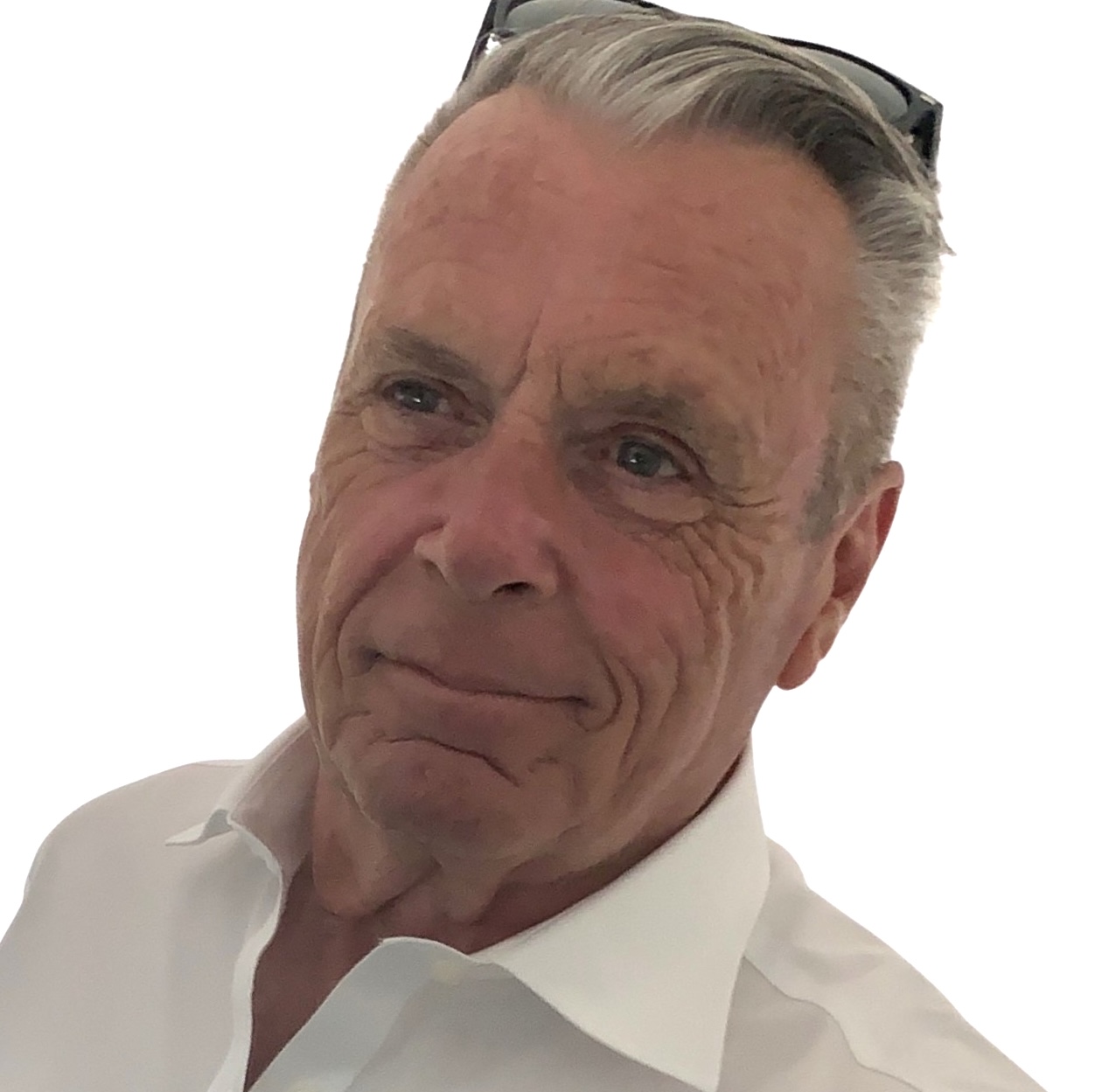
Sy Mathews
Sy Mathews is practical, down-to-earth and hands-on. He has owned and run businesses in Sydney and Melbourne at various times over the last fifty years, created, operated and sold them to larger companies in tourism, logistics, aviation, he understand the 'hands-on' of business ownership and the challenges it presents. He is motivated to assist owners to get out from under the burden of running and owning, into the freedom that independent business owners deserve to enjoy.
General information
Our articles are intended as general information. We provide mature, on-site advisors who can tailor solutions specifically for your business. We do not offer financial or legal advice, we recommend speaking to a specialist in those areas.


